This page was updated January 13, 2026.
Medical Fitness to Work
Dear Partners in Safety,
The health and safety of our offshore workforce is our number one priority. Our offshore assets are remote, presenting unique challenges in terms of distance from medical centers and lifesaving medical interventions. Best practice in cardiac care describes a target window of less than 90 minutes from first medical contact to medical/surgical intervention (for instance, the placement of a stent or cardiac bypass surgery). Many of our assets, at best, are 4 or more hours from this type of lifesaving care.
In addition, the work you do offshore presents unique challenges and risks that require a high level of physical and mental fitness. Having you fit to work is essential in preventing accidents, injuries, and incidents that could compromise safety.
To this end, we are introducing more rigorous monitoring of our long-standing fitness to work requirements through the Helipass and ISNetworld Training Qualification (ISN TQ) systems.
Expectations
- Validity of Fitness to Work Assessments in Helipass/ISN TQ
- All personnel will be expected to undergo a fitness to work evaluation by a healthcare professional in line with their employer’s corporate policy and contractual agreements with Shell. (Existing requirement.)
- Each individual’s fitness to work status (date) will be recorded in ISN-TQ.
- Medications Taken Offshore
- 🚁 Earlier this year, we launched the Offshore Medication Screening Process to enhance safety offshore as part of our broader health initiatives, aligning with the Fitness to Work requirements in Helipass. We’re excited to announce that the final component, the Acceptable Medication List, goes live on January 1, 2026! 🎉
- 🔔 Reminder: Many medications NOT on the list are also acceptable, but require review by a Shell Health physician. Here’s what you need to know for a great start to the new year.
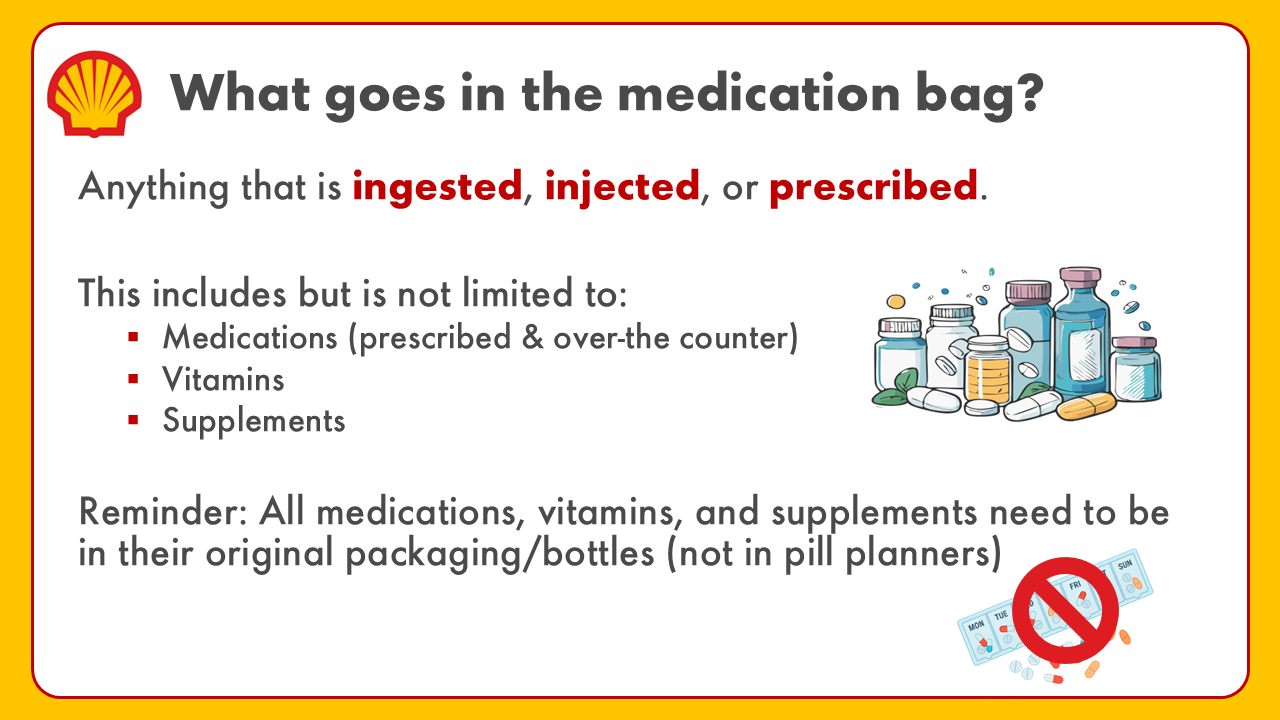
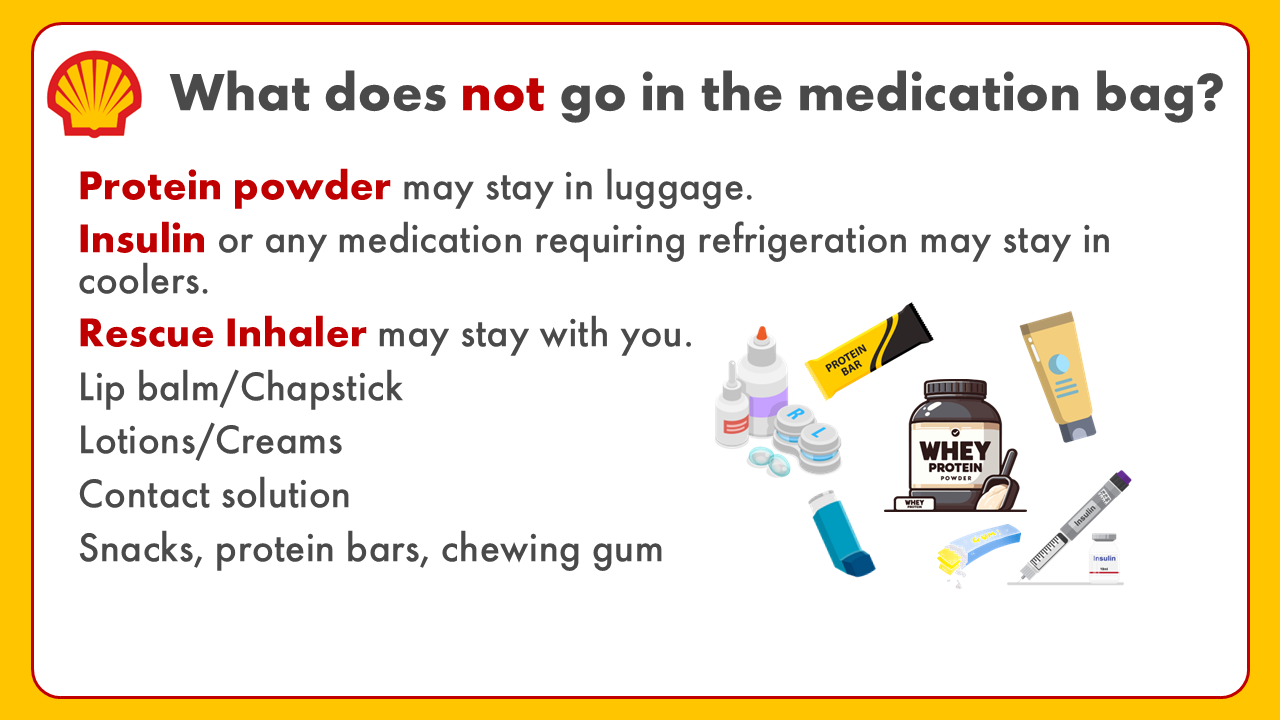
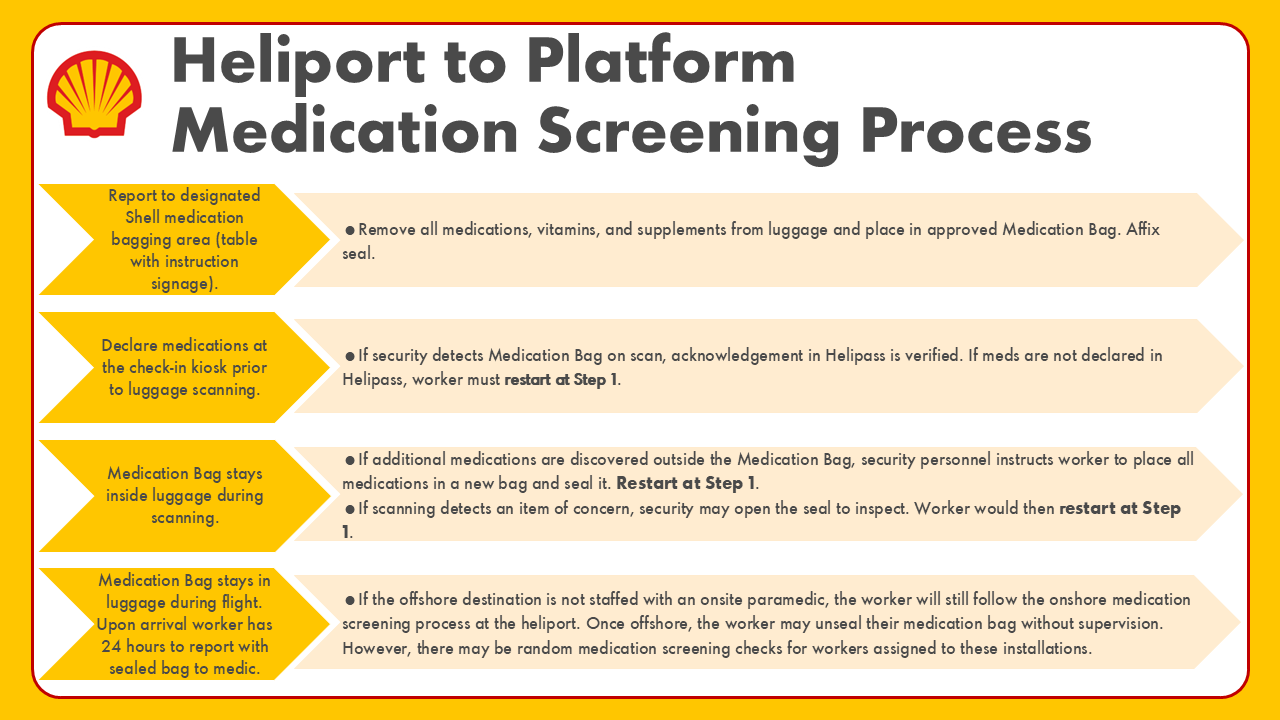
- 📁 Medication Bags: All offshore workers should continue using the Medication Bags at the heliport and present them to the installation medic within 24 hours of arrival.
- 🩺 Medication Review: If a medication is not on the upcoming published list, Shell Health physicians will review as requested by the paramedic. Many medications not listed are still acceptable, so do not stop any prescribed medication without guidance from your prescriber. The review process is designed to ensure safety offshore. In rare cases, workers on medications with sedating effects may require extra care offshore, and sometimes additional follow-up with your physician may be needed. If your installation does not have a paramedic, you may open after arrival. Random medication reviews may be conducted at these locations from time to time.
- ⏩ Early Review Option: Starting this month, you can review the Acceptable Medication List with your paramedic. They can submit the necessary information to Shell Health physicians for early review if you’re eager to start early.
- 🔒 Privacy Matters: This system is designed to protect your privacy. Please avoid discussing personal medical information with non-medical colleagues or supervisors. Please also avoid personal emails to Shell Health about your medical condition, the medics can help you using the secure system we have set for this purpose.
- See the FAQ for more information
- Thank you for supporting this important initiative to keep our workforce safe and healthy! 🌟
Please ensure that your offshore workers are in compliance with the fitness to work standards outlined in your corporate policy and contractual agreements with Shell. This is to ensure their safety and the safety of everyone working offshore.
We appreciate all that you do to ensure your safety and well-being.
Thank you, and stay safe,
Shell Contract Management Team
Guidance:
We recommend medical evaluations be performed by a licensed healthcare provider familiar with the risks associated with the oil and gas industry and remote offshore work (for example, an examining physician registered through Offshore Energies UK (OEUK) or a physician board-certified in Occupational Medicine).